











What effect does dynamic standing training have on walking ability and balance in children with neurodevelopmental disorders?
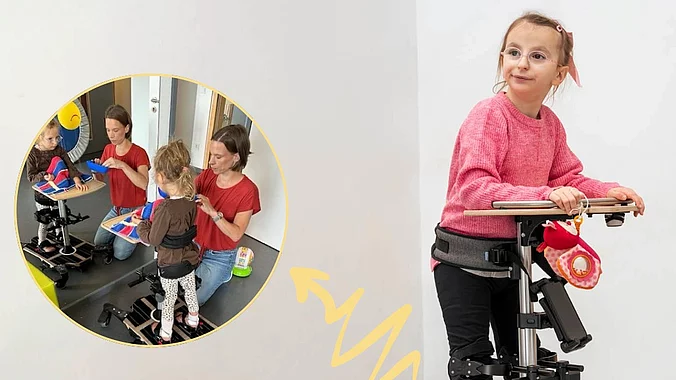
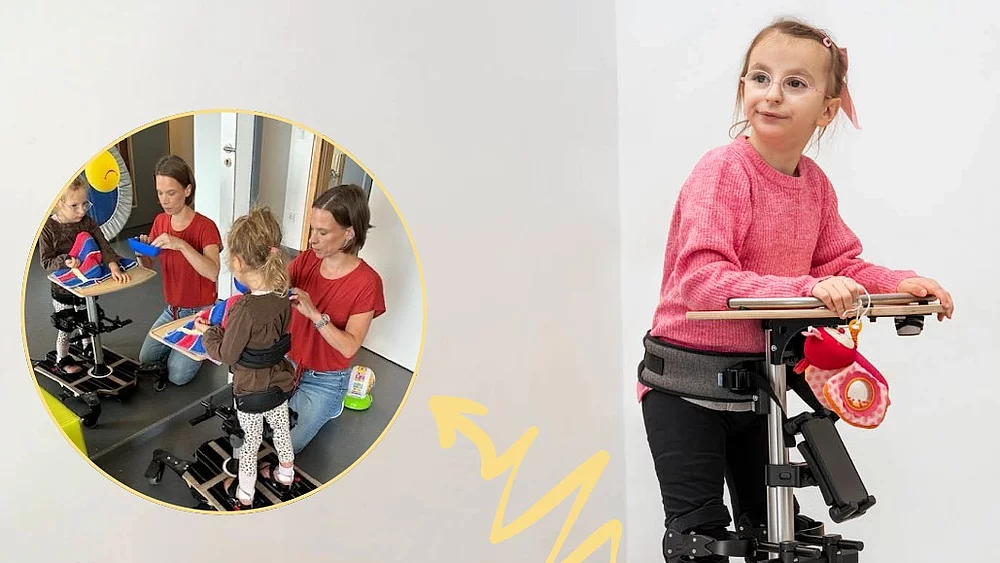
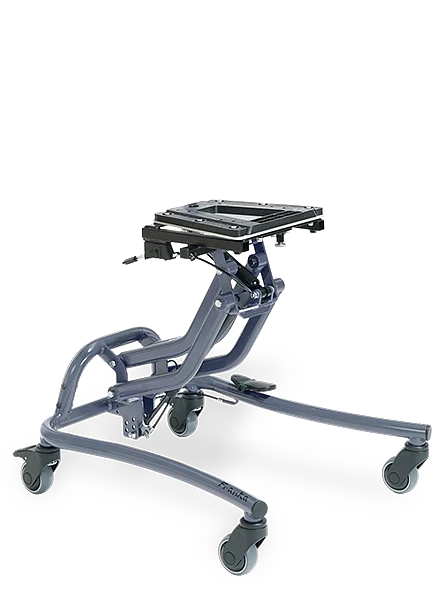
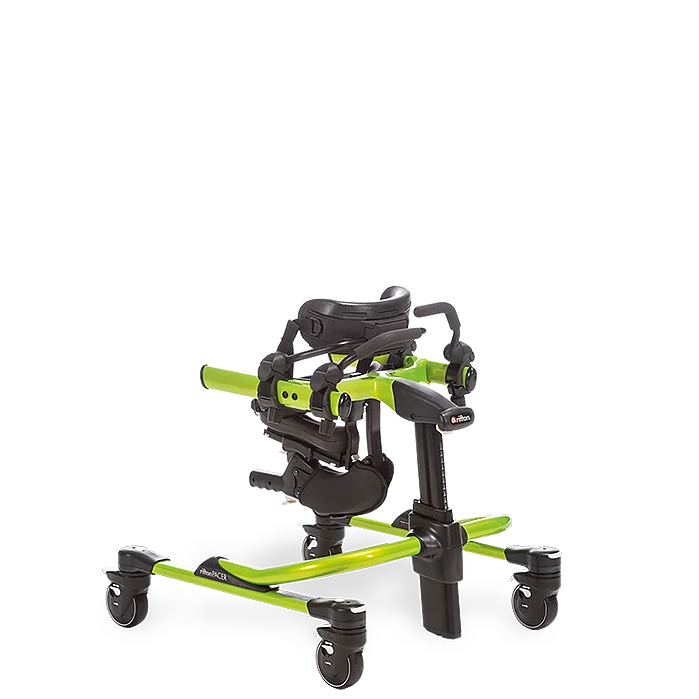
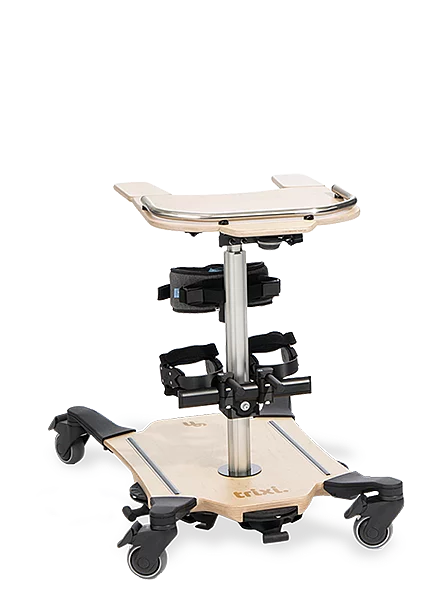
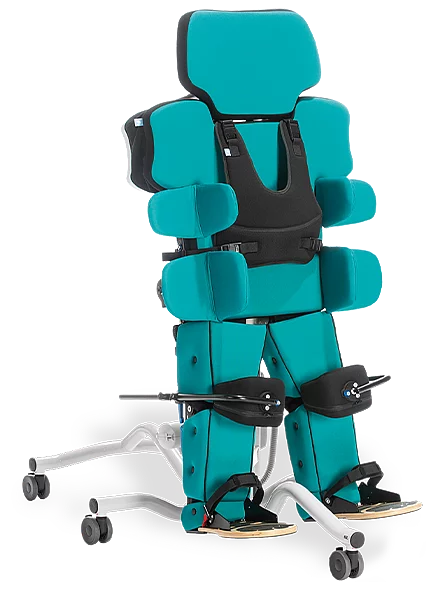
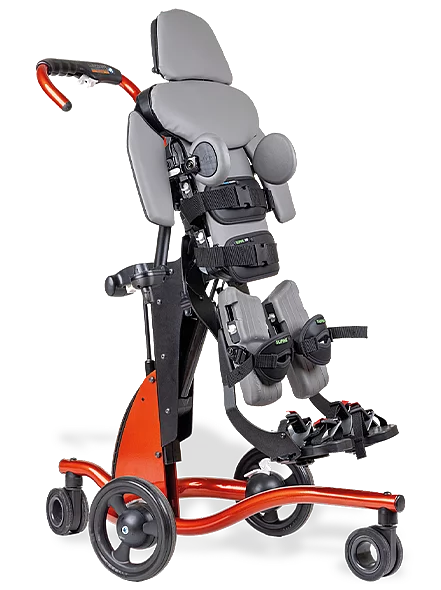
This was precisely the question addressed by Nadine Gallenbach, our sales representative and specialist consultant for neuro and rehabilitation centres as well as educational and care facilities, as part of her Master’s thesis in the Neuroorthopaedics – Disability Management programme at the University for Continuing Education Krems. As part of this pilot study, the prototype of the dynamic standing trainer trixi was tested on a group of ten children aged between two and six years.
trixi was tested by ten children aged between two and six, who were classified as GMFCS Levels II to IV. The aim was to find out whether dynamic standing training can have positive effects on walking ability, balance and motivation. The results show that significant progress was observed in the participating children after just a few days of training.
Five days of training with visible changes
The study found positive effects on the participants’ walking ability and balance.
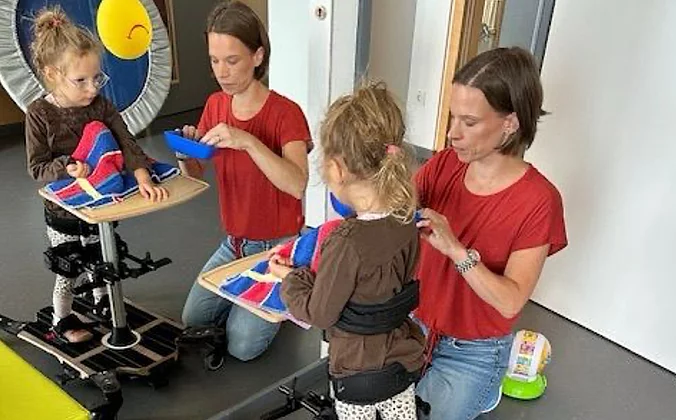
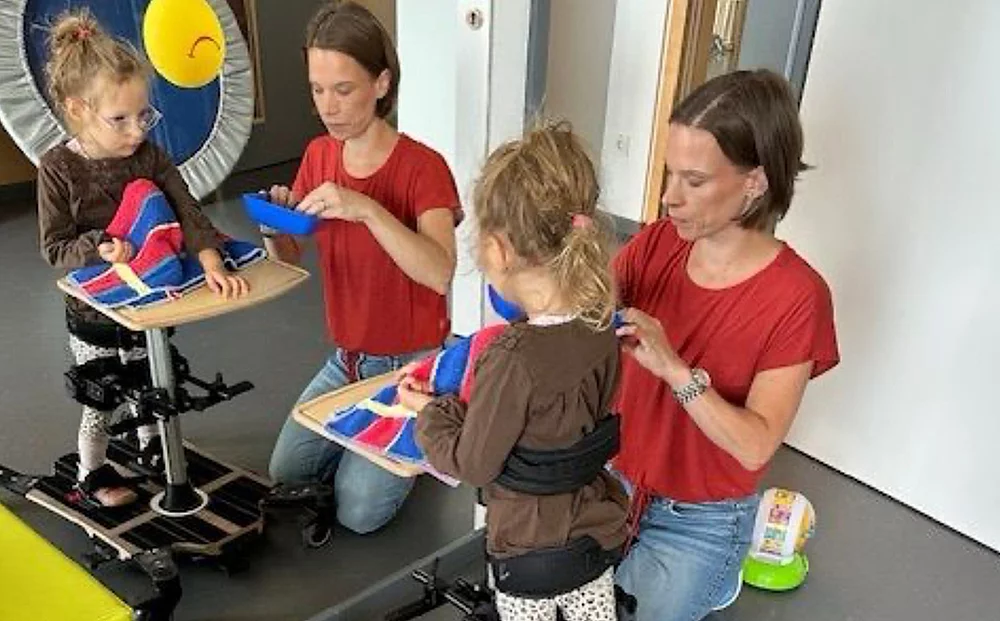
For the study, the children trained for 30 minutes each day for five consecutive days using our dynamic standing trainer. A control group, also comprising ten children, received their standard therapy during the same period, including physiotherapy and occupational therapy.
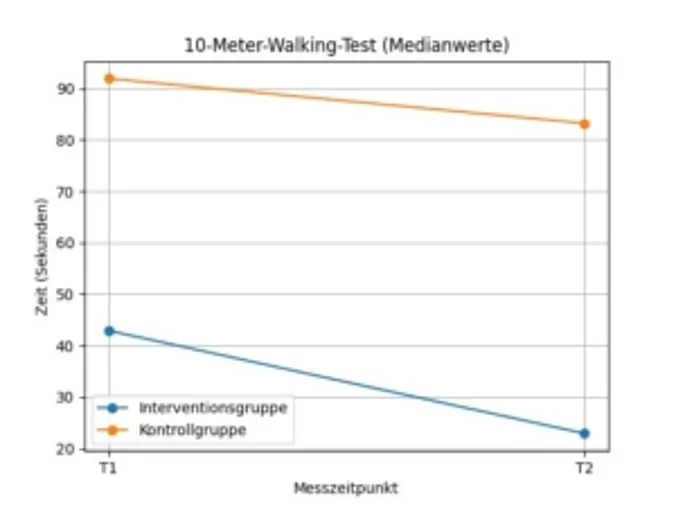
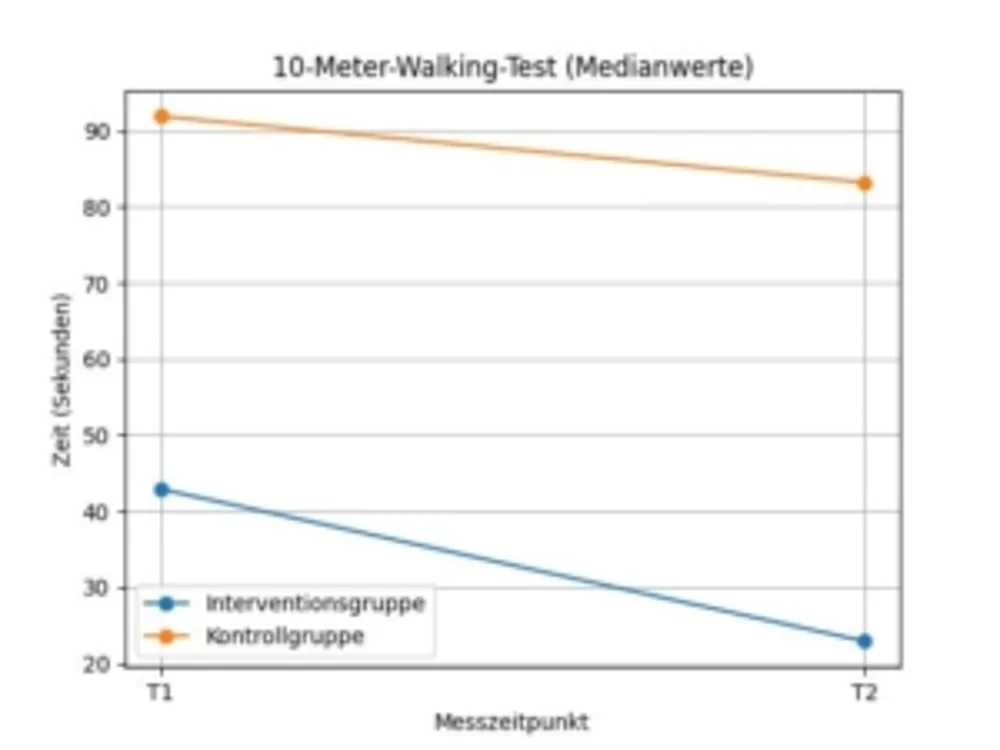
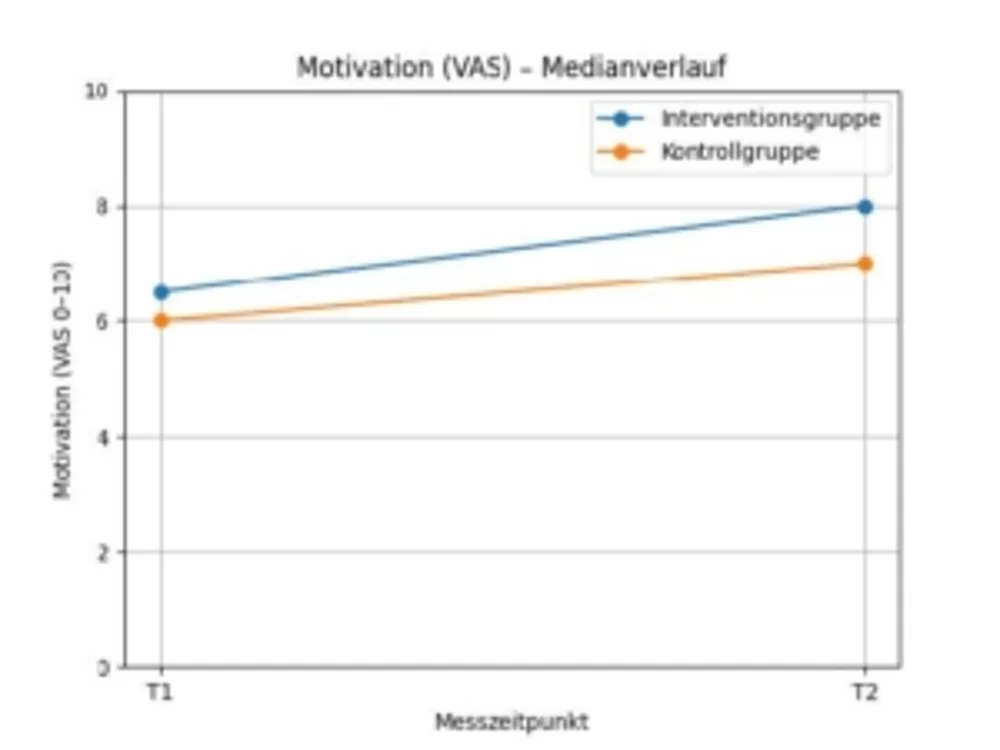
To measure changes, various parameters were assessed: Selected items from the Paediatric Balance Scale (PBS, items 5, 7 and 9), the 10-metre walk test (10MWT) and a visual analogue scale (VAS) to gauge the children’s motivation. Particularly striking were the positive developments in unassisted sitting, balance and walking speed.
Case study: M. – Greater stability, greater independence
At the start of the study week, M., aged 3, could only sit for 30 seconds under supervision, whilst leaning heavily on her arms for support. After five training sessions with trixi, she was able to sit for the same duration in a secure and stable position. Her score for independent sitting thus improved from 3 to the maximum score of 4.
Clear progress was also evident in standing. On the first day of the study, M. still required support to maintain the position and was unable to hold it for 15 seconds. By the end of the week, she was able to stand independently with her feet together for 30 seconds.
The improvement was even more pronounced when walking: On Monday, M. took 42.89 seconds to complete the 10-metre walking test with her posterior walker. By Friday, she had covered the same distance in 22.8 seconds – an improvement of around 20 seconds.
Case study A.: Significantly faster over ten metres
Four-year-old A. also showed impressive progress. On Monday, she still took 45.54 seconds to complete the 10-metre walking test. After five days of training with trixi, she covered the distance in 16.89 seconds on Friday. This meant she was able to significantly reduce her walking time within just a few days. A. completed the walking test holding her therapist’s hand, but afterwards tried out the malte posterior walker, which she had already been fitted with. This represents another step towards greater participation and independence for the girl.
Case studies such as this clearly illustrate what figures alone can often only convey to a limited extent: For the children, this progress means greater stability, more experience of movement and a little more independence in everyday life. This video shows footage from the pilot study conducted by our colleague Nadine Gallenbach, in which our dynamic standing trainer, trixi, was tested: youtu.be/-ex4OwAVPSM
Motivation as a key training benefit
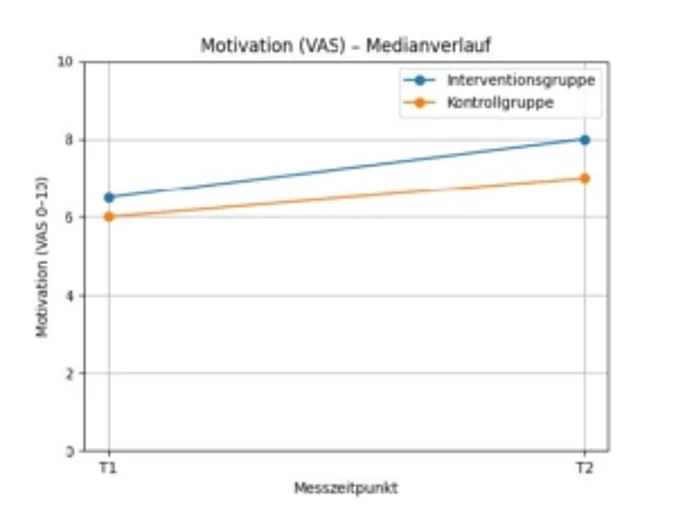
In addition to the measurable improvements in balance and walking ability, the children’s motivation was also assessed. In both groups, motivation increased over the course of the week. Among the children who trained with trixi, this increase tended to be greater.
Motivation is a crucial factor for successful training, particularly in children. When therapy not only supports development but also makes physical activity enjoyable, it can be incorporated into everyday life more easily and regularly.
Therapists rate trixi very highly
The dynamic standing trainer also proved its worth from a therapeutic perspective. On the final day of the study, the prototype’s usability was assessed using the System Usability Scale. trixi achieved a very high score of 88.6. The therapists were particularly positive about the feasibility of incorporating standing training into everyday life and the ease with which the standing trainer could be adjusted.
Dynamic standing training with potential
The pilot study provides valuable notes on how dynamic standing training with trixi can provide targeted support for children with neurodevelopmental disorders. The case studies of M. and A. in particular demonstrate just how individualised and, at the same time, visible such progress can be: sitting more steadily, standing more confidently, walking more quickly.
For us, this is an important sign. After all, medical aids should not merely provide support. They should enable development, reveal potential and accompany children on their journey towards greater activity and participation.