








How does the verticalisation angle affect the load on the foot and knee? And what role do hip and knee flexion play in this?
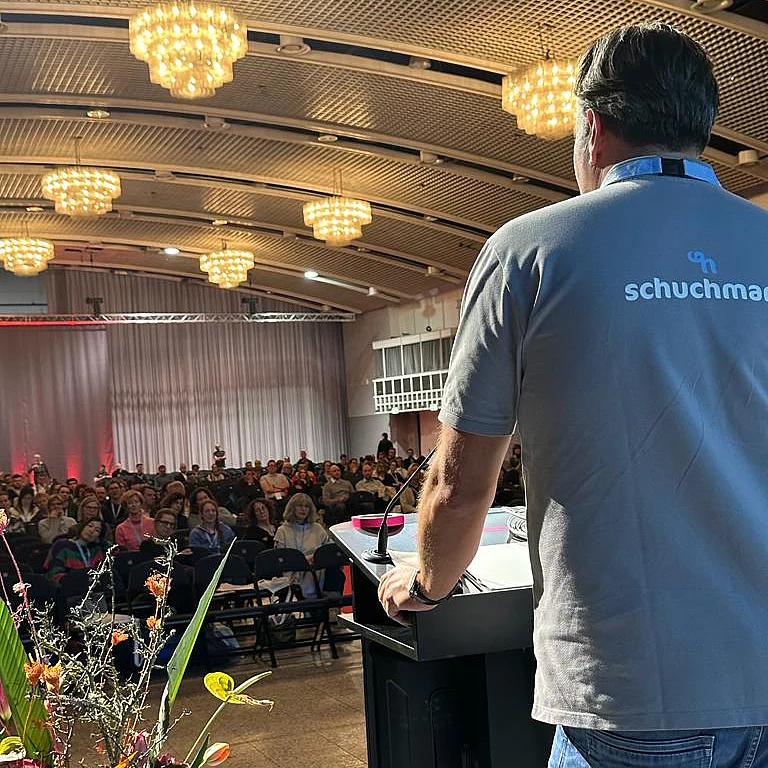
Our field service manager, René Althaus, MSc, addressed these questions in his Master’s thesis as part of the Neuroorthopaedics – Disability Management programme at the University for Continuing Education Krems. Together with the orthopaedic surgeon Dr Eva M. Steindl, MSc, he has since published the findings in two articles in the international journal *Children*.
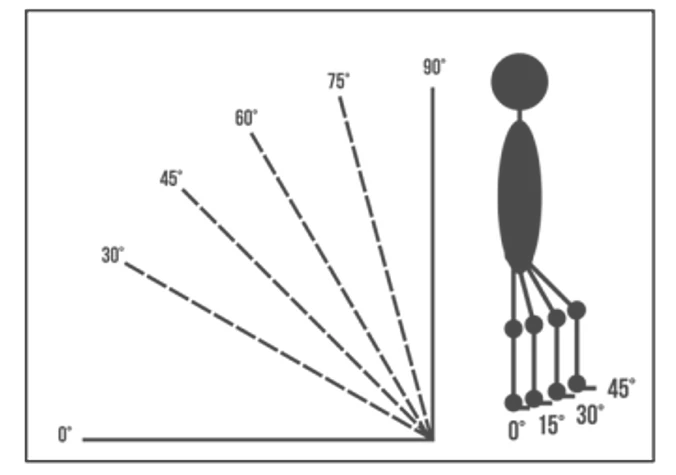
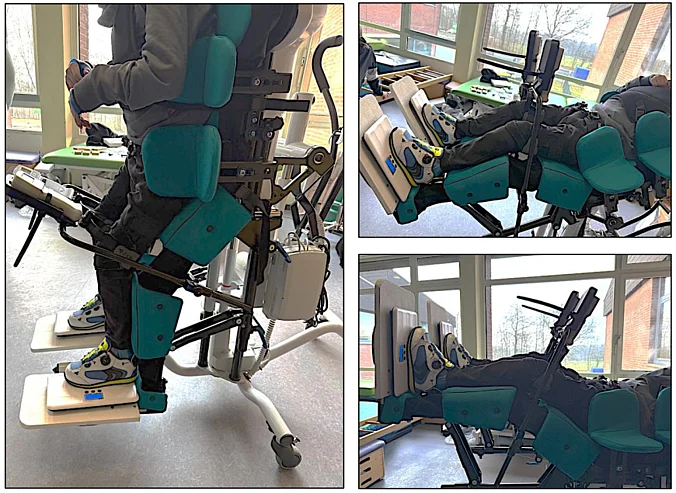
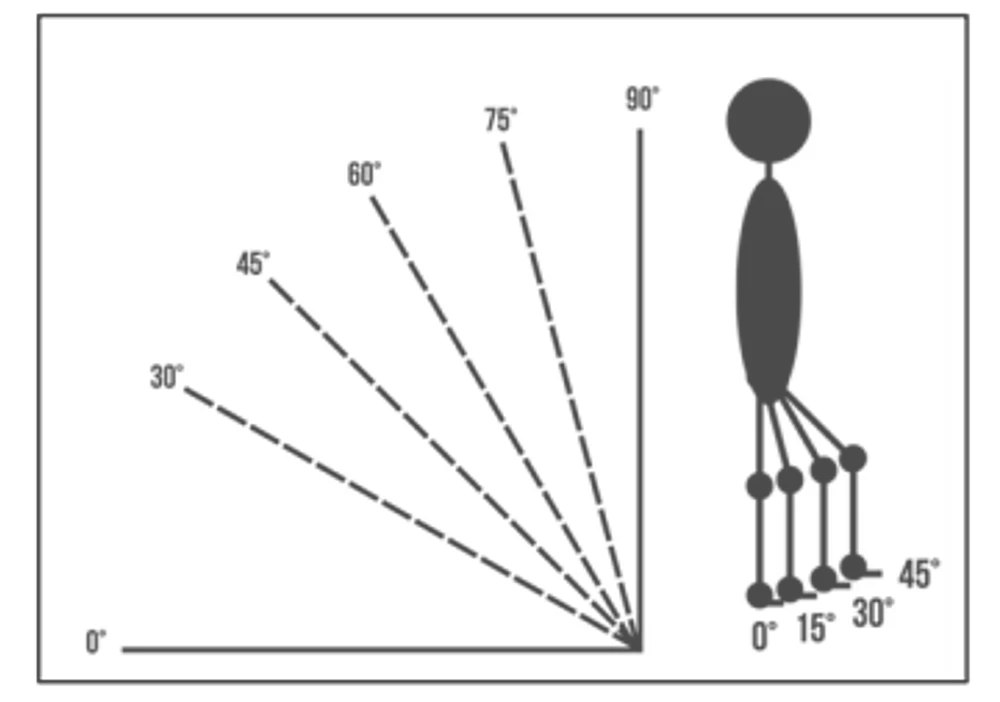
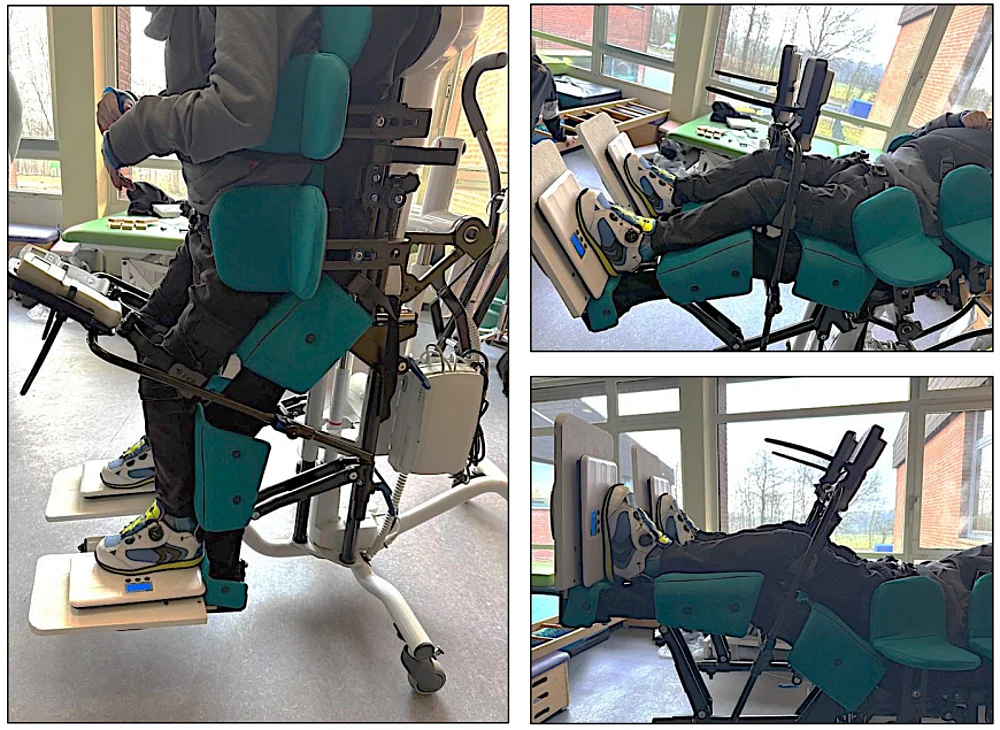
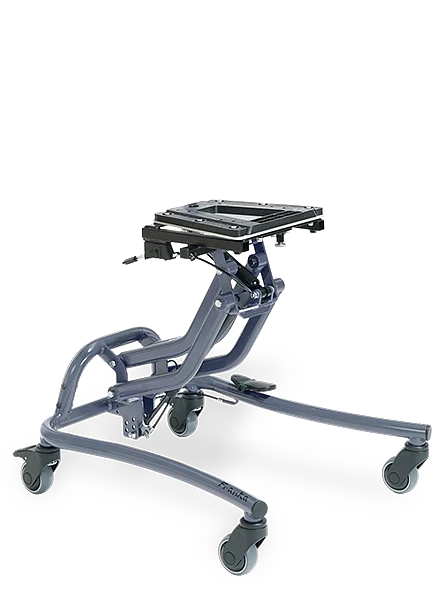
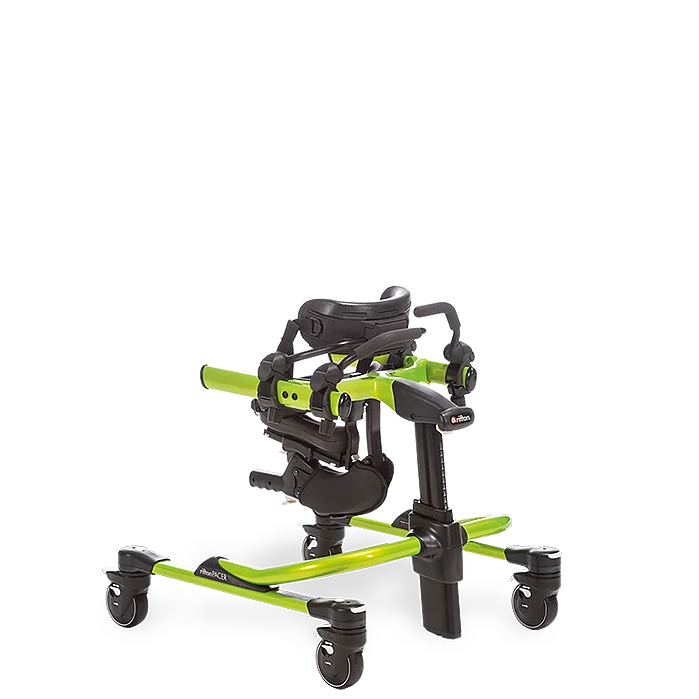
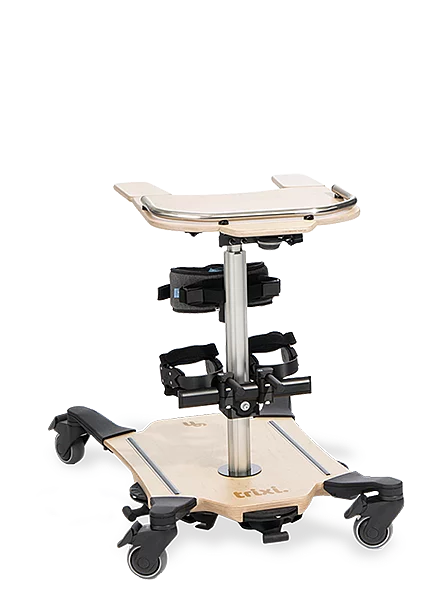
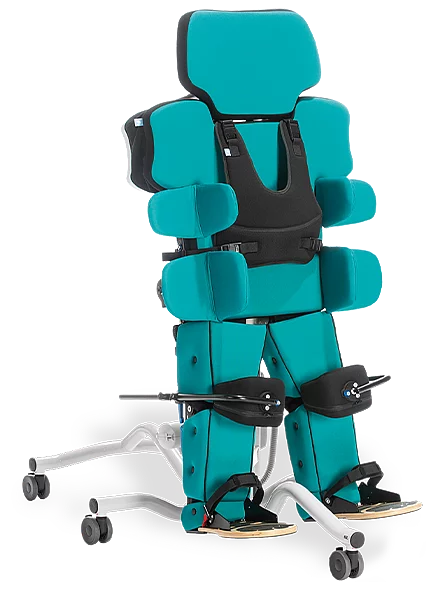
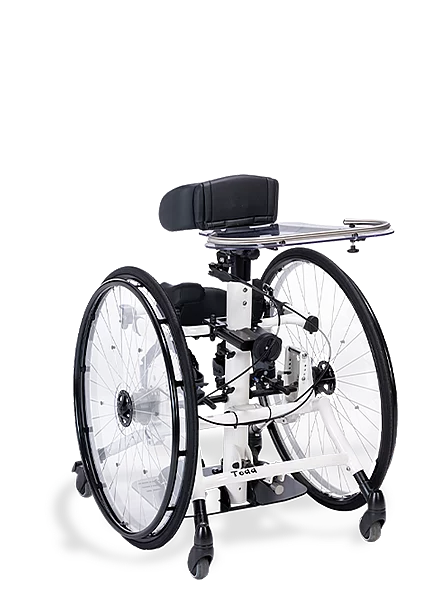
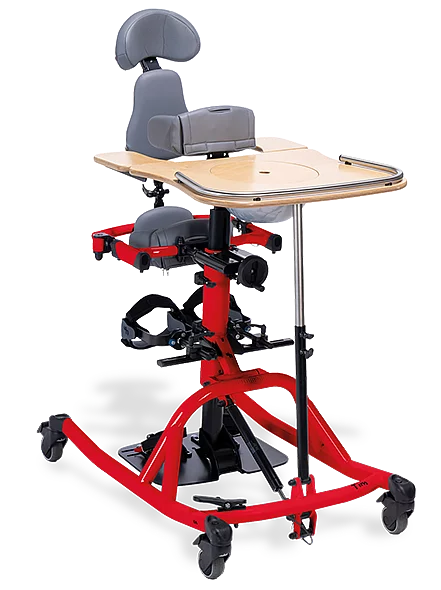
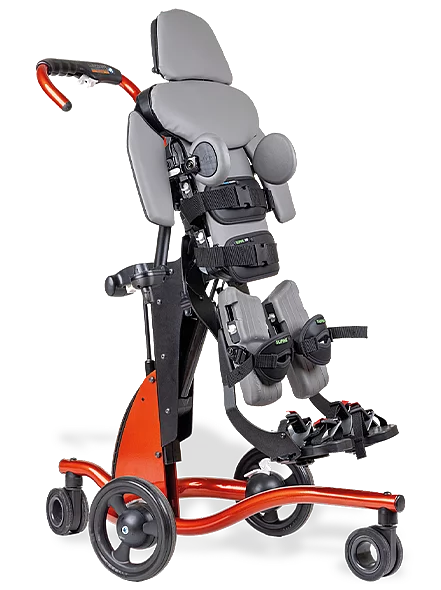
The study involved 26 children and adolescents with severe cerebral palsy aged between 6 and 17 years (GMFCS Level IV: 9, Level V: 17) using the till standing trainer. Measurements were taken to determine the load on the knees and feet during assisted standing, and to assess the influence of the verticalisation angle as well as different hip and knee flexion angles.
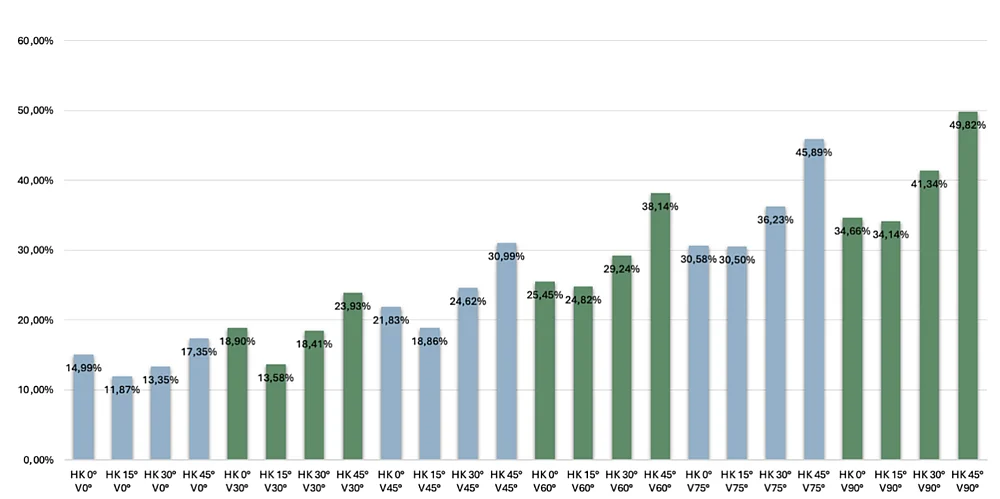
Does increased hip and knee flexion automatically lead to higher or lower knee loading?
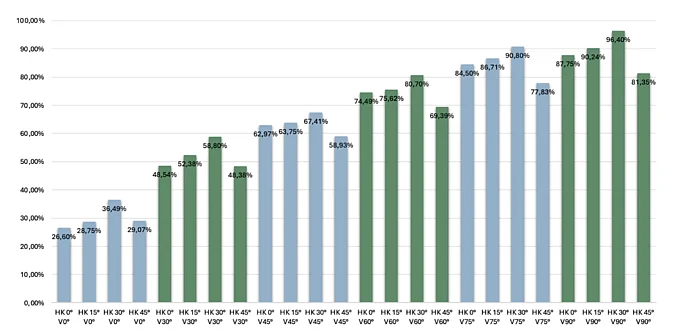
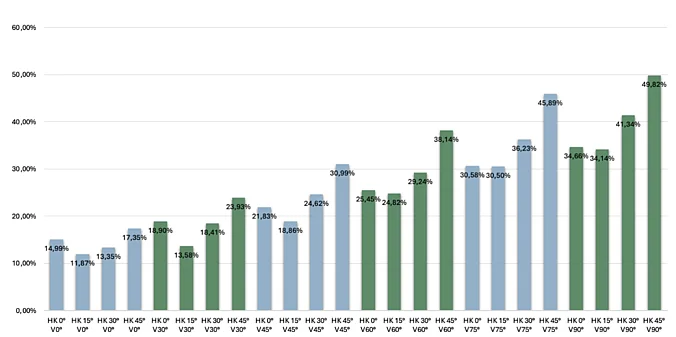
As verticalisation increases, the load on the knee also increases. However, even when fully upright at 90°, it remained below 50 per cent of body weight in all positions examined. Furthermore, the relationship between joint position and knee load is non-linear: slight hip and knee flexion does not necessarily lead to a higher knee load. (Children 2026;13(4):497)
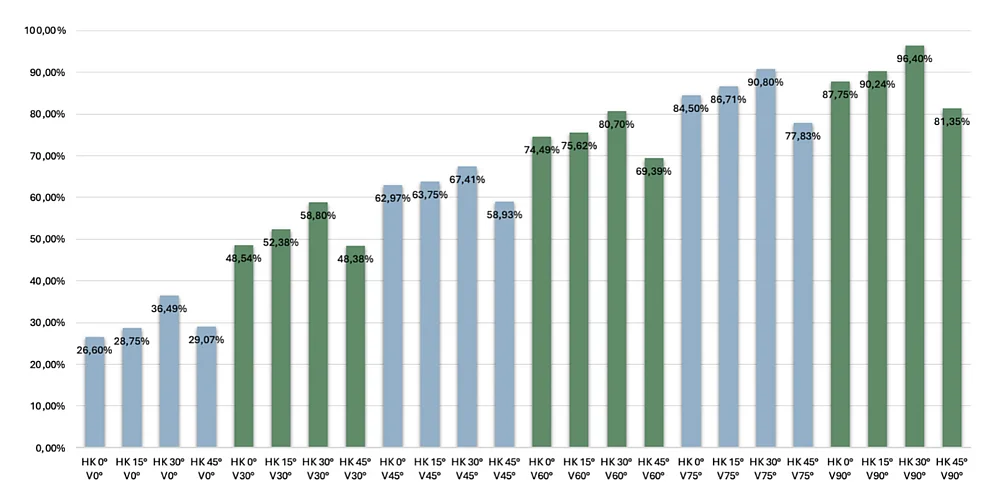
Does increasing upright posture automatically lead to greater load on the feet?
The angle of verticalisation is a key determinant of the load placed on the feet. Even at 60°, more than 70 per cent of body weight was borne by the feet in most of the joint positions examined. A flexed position of the hip and knee does not automatically result in a lower load on the feet. (Children 2026;13(3):346)
Implications for clinical practice:
The study shows that assisted standing can be beneficial for children and young people with cerebral palsy, even in the presence of hip and knee flexion contractures. Individual positioning and adjustment of the standing trainer are crucial. Flexibly adjustable knee suports, for example, distribute pressure in a targeted manner, prevent pressure peaks and thus enable safe standing training.
For us, this is an important signal. After all, assistive devices should not merely provide support; they should facilitate development, reveal potential and accompany children on their journey towards greater activity and participation. It is therefore all the more important to us to (further) develop our products on an evidence-based basis and to promote the professional development of our staff.